
On this page
- Which Latin American countries offer residency by investment?
- Latin America residency by investment compared
- How does Paraguay’s Investor Pass work?
- Uruguay: residence on proof of means, tax residency through investment
- Can you get Brazil residency by real estate investment?
- Dominican Republic residency by investment under Decree 631-11
- What is the cheapest residency by investment in Latin America?
- Which is the easiest Latin American country to get citizenship?
- The risks of Latin America residency by investment
- Latin America residency by investment: FAQs
The short version
Paraguay, Brazil and the Dominican Republic each publish an investor minimum. Paraguay’s Investor Pass starts at USD 70,000 for a business with five formal jobs, Brazil asks R$700,000 to R$1,000,000 in urban property and the Dominican Republic USD 200,000. Uruguay sets no investment figure at all and grants permanent residence on proof of means.
Families in Dubai and Abu Dhabi rarely ask us about Latin America first. They tend to arrive there after Europe has become dearer or slower, or because a business partner already has a foot in Asunción or São Paulo. This guide sets out what each government actually publishes about Latin America residency by investment. Three of the four countries have an investor route. Uruguay grants permanent residence on proof of means, and investment only comes into it for tax residency. Every figure below comes from an official source linked in the text.
The four countries at a glance
- Paraguay. Investor Pass under Resolution MIC 0283/2026. USD 70,000 for a productive business with at least 5 formal jobs, USD 150,000 for tourism, USD 200,000 for real estate or financial instruments. Permanent residence from the start.
- Uruguay. No investor visa. Permanent residence is granted on proven means of living, and tax residency can be obtained separately through property or company investment.
- Brazil. Residence for urban real estate of at least R$1,000,000, or R$700,000 in the North and Northeast. The first residence is for 4 years and can then become indefinite if the investment is still held.
- Dominican Republic. Investor residence from USD 200,000, in the permanent residents category, with no temporary residence needed first.
- Citizenship. Can be requested after 3 years of permanent residence in Paraguay, 3 or 5 years in Uruguay and 4 years in Brazil. It is never automatic.
In this guide: Which countries · Comparison table · Paraguay · Uruguay · Brazil · Dominican Republic · Cheapest route · Citizenship · Risks · FAQs
Which Latin American countries offer residency by investment?
For clients coming from the Gulf, the realistic shortlist is four countries. They work in quite different ways.
- Paraguay runs a formal investor scheme. The Ministry of Industry and Commerce (MIC) and the National Directorate of Migration launched the Paraguay Investor Pass in April 2026.
- Brazil grants residence for real estate purchases under Normative Resolution 36/2018 of the National Immigration Council (CNIg).
- The Dominican Republic sets out its investor residence rules in Decree 631-11, the regulation that applies General Migration Law 285-04.
- Uruguay has no investment threshold for immigration. Investment matters there for tax residency, which is a separate status.
We also advise on El Salvador’s Freedom Visa, covered on our El Salvador page. It sits outside this comparison of residence routes. If you are looking beyond the region, our residency by investment hub is the place to start, along with our guide to European residency for UAE residents.
Latin America residency by investment compared
The table uses published official figures only. Amounts stay in the currency the law uses, since that is the figure the authorities test you against. Approximate dollar equivalents appear only in the cost comparison further down, with the rate and date.
| Country | Official minimum | What the money goes into | Status granted | Citizenship can be requested after |
|---|---|---|---|---|
| Paraguay | USD 70,000 (productive); USD 150,000 (tourism); USD 200,000 (real estate or financial) | A business with at least 5 formal jobs; a tourism project; property used for an economic activity; financial instruments held at least 2 years | Permanent residence, without temporary residence first | 3 years of permanent residence |
| Uruguay | No investment minimum for immigration | Proof of sufficient means of living | Permanent residence | 3 years (with family in Uruguay) or 5 years (without) |
| Brazil | R$1,000,000; R$700,000 in the North and Northeast | Urban real estate, paid with the investor’s own funds brought from abroad | Residence for 4 years, which can then be changed to an indefinite period if the investment is maintained | 4 years living in Brazil with residence authorisation |
| Dominican Republic | USD 200,000 | Investment under Foreign Investment Law 16-95 or a capital contribution to a Dominican company | Permanent residence (investor subcategory) | Ask our team for the current rules |
Any investment can lose value, and money tied up in property, a company or securities may be hard to get out quickly. Nothing in this table is a forecast of returns.
How does Paraguay’s Investor Pass work?
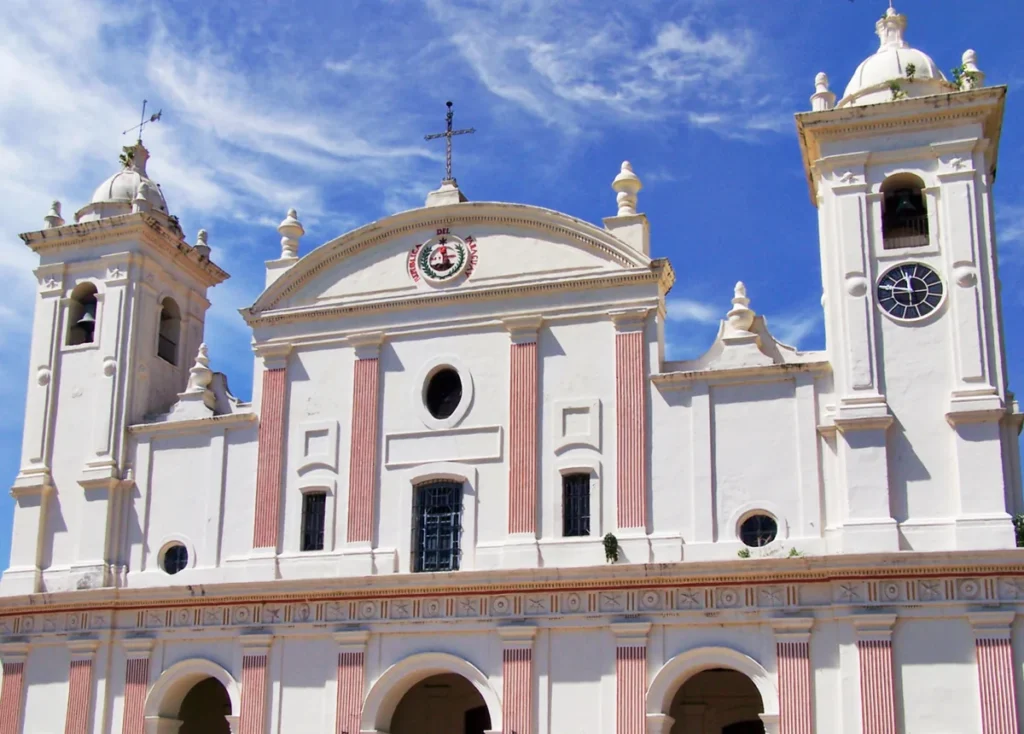
The Investor Pass rests on Resolution MIC 0283/2026, which governs the Foreign Investor Certificate (Constancia de Inversionista Extranjero). The certificate is issued through SUACE, the government’s one-stop shop for companies. The Ministry of Industry and Commerce lists four routes.
- Productive, from USD 70,000 in industry, commerce or services, with at least five formal jobs and a business plan.
- Financial, from USD 200,000 in financial instruments held for at least two years.
- Real estate, from USD 200,000. The property must be used for an economic activity, not as a personal or family home.
- Tourism, from USD 150,000, with a business plan and technical follow-up.
The real estate condition is the one families most often misread. A villa in Asunción for your own use does not qualify. A rented apartment block or a commercial unit might, if it meets the ministry’s criteria.
According to the ministry’s launch announcement of 17 April 2026, investors go straight to permanent residence, most of the process is electronic, and you only need to be in Paraguay to have the identity card (cédula) issued. You cannot then stay away for good, though. Under Article 54 of Migration Law 6984/2022, permanent residence is lost after more than three years’ unjustified absence from the country. For someone running a business from Dubai, it is still a light footprint.
The ministry is also open about the checks behind the certificate: criminal record verification, a sworn statement on the origin of funds, anti-money-laundering controls and periodic monitoring of the investment. Our Paraguay page goes into the route in more depth.
Uruguay: residence on proof of means, tax residency through investment
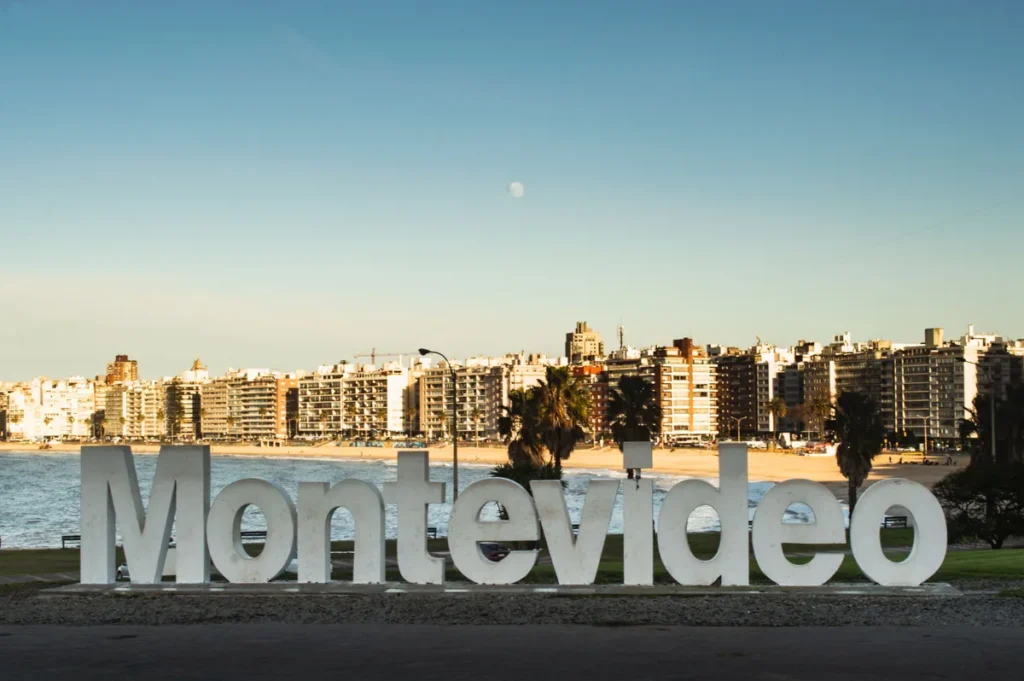
There is no Uruguay investor visa. The country’s permanent residence procedure is open to any foreign national who intends to live in the country permanently, and the test is that you can show sufficient means of living. A business owner, or someone with income from abroad, documents that income, usually through a notarial certificate. No fixed sum has to be invested.
Investment does count for tax residency. That status is granted by the tax authority (DGI) and has nothing to do with an immigration permit. Among the DGI’s published grounds are:
- real estate worth more than 15,000,000 UI (Unidades Indexadas, an inflation-indexed unit);
- real estate worth more than 3,500,000 UI bought from 1 July 2020, plus at least 60 days of physical presence in the calendar year;
- a direct or indirect investment of more than 15,000,000 UI in a company from 1 July 2020, where the company creates at least 15 new full-time jobs in the year.
There is a catch for UAE residents. The DGI applies these investment grounds unless the person proves tax residence in another country with a certificate from the competent authority. If you hold a UAE tax residency certificate, take advice before you assume the Uruguayan status will apply to you. The passport side is explained in our guide to Uruguay citizenship by residency, and the Uruguay programme page sets out both routes.
Can you get Brazil residency by real estate investment?

Yes. As the federal government’s news agency, Agência Gov, explains, CNIg Normative Resolution 36/2018 gives residence to people who buy urban property for at least R$1,000,000. In the North and Northeast regions the minimum drops to R$700,000, a reduction meant to draw investment to those areas.
The resolution itself is more specific than most summaries. The first residence is granted for four years. After that, it can be changed to residence for an indefinite period, provided the investment is still in place. The purchase has to be made with your own money brought in from abroad, and the transfer must be documented by a bank registered with the Central Bank of Brazil. You also need to spend at least 14 days in Brazil in every two-year period.
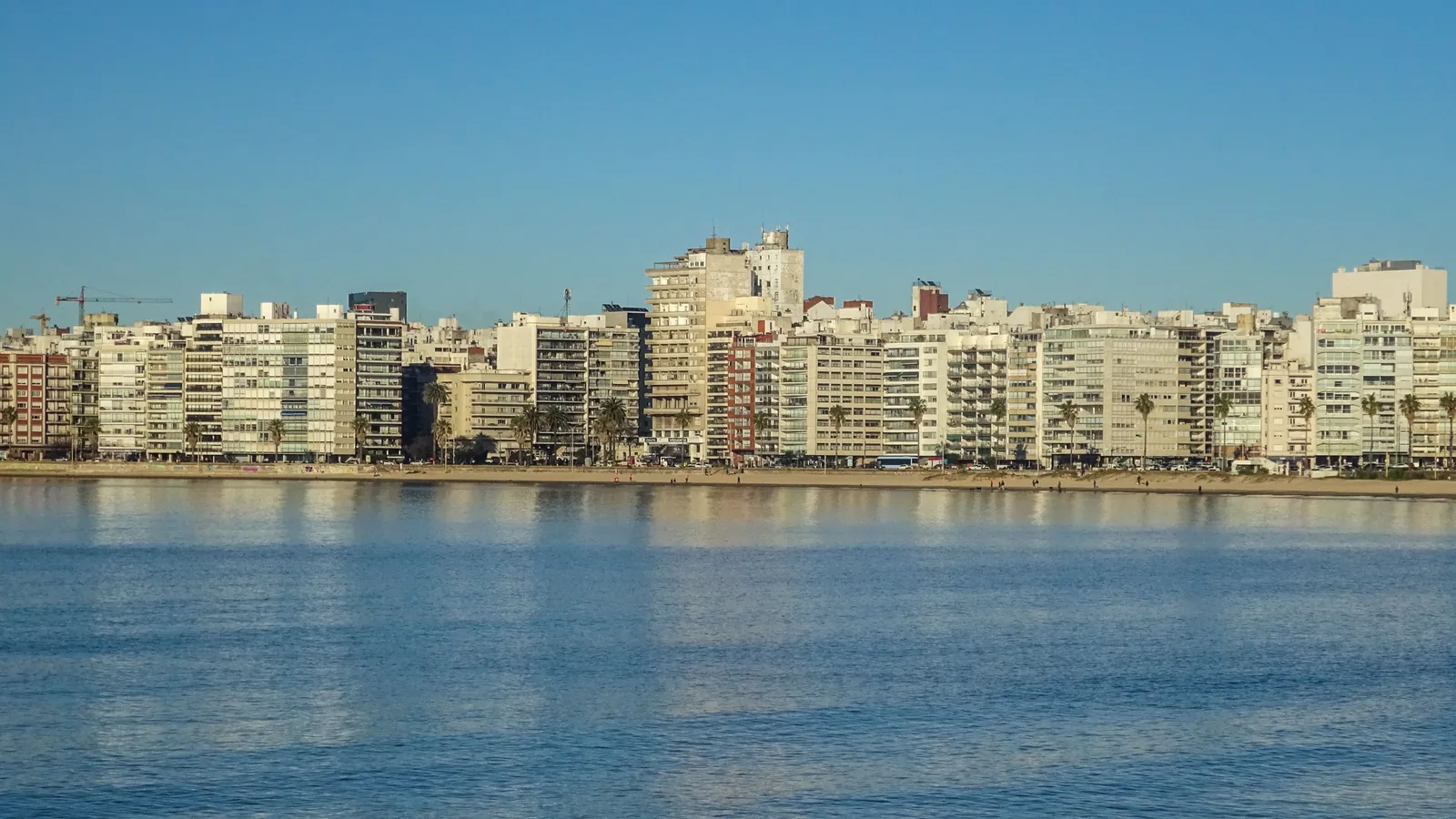
Salvador, pictured above, is in Bahia, one of the Northeast states, so the lower threshold applies there. The property has to be urban. Farmland or a rural estate will not do.
Brazil also has company investment routes, described on our Brazil Golden Visa page. The property route is the easier one to explain, but it ties up a large sum in one asset in one market, and property prices and the real can both move against you.
Dominican Republic residency by investment under Decree 631-11
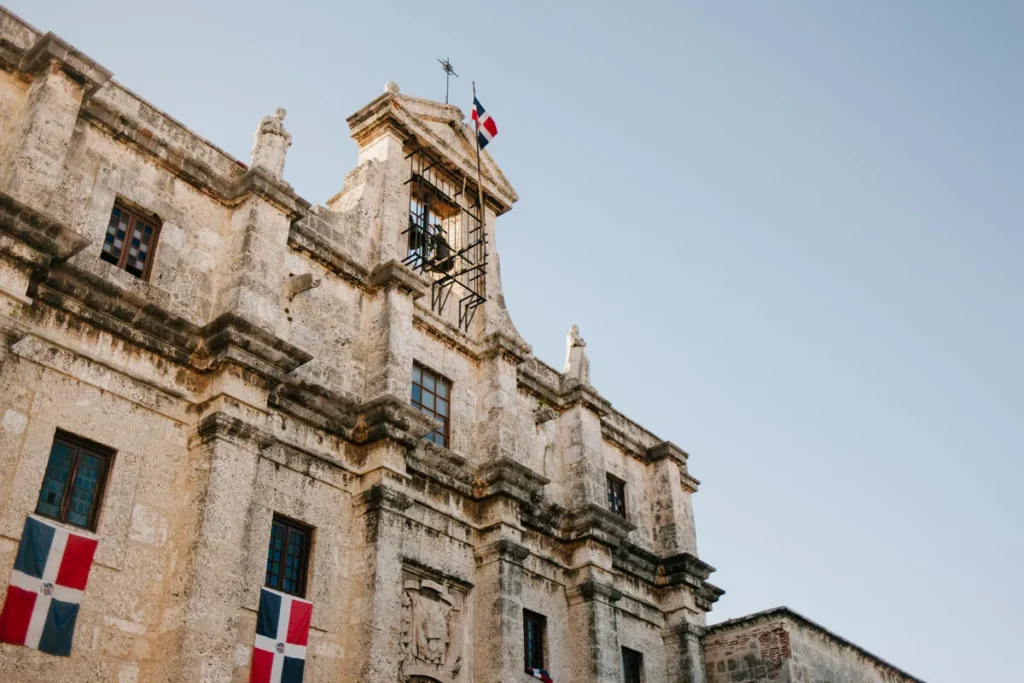
The rules are in Decree 631-11, the regulation of the General Migration Law. Article 55 sets the minimum at USD 200,000, or the equivalent in Dominican pesos or another currency accepted by the Central Bank. The money must go into one of the forms allowed by Foreign Investment Law 16-95, or into an existing Dominican company as a capital contribution. Projects designated by the Executive can carry a different minimum, certified by the investment agency.
Article 54 treats investor residence as a legal privilege within the permanent residents category, so the holder does not have to obtain temporary residence first. Article 56 extends the same preferential regime to direct relatives, which means a spouse and children are not left on the ordinary temporary residence timetable.
Four years after the first residence card, the investor must produce either a certificate from the company confirming the capital contributed or bank evidence that the required deposit is still there. In other words, the investment has to stay put, and selling early can put the residence at risk. Our Dominican Republic page shows how the route is usually structured.
What is the cheapest residency by investment in Latin America?
On paper, Paraguay’s productive route at USD 70,000 is the lowest minimum in this guide. It also has the most strings attached. You need a business plan and at least five formal employees, and running a staffed company on another continent costs time and money that never show up in the headline figure.
To compare the other routes we converted Brazil’s amounts at the Banco Central do Brasil PTAX rate of 5.7324 reais to the dollar on 16 November 2026. On that basis, R$700,000 is roughly USD 122,000 and R$1,000,000 roughly USD 174,000.
So if you would rather not run a staffed business, the two lowest thresholds are Brazil’s R$700,000 route in the North and Northeast and Paraguay’s USD 150,000 tourism route. The tourism route is not passive, though. It still needs a business plan and technical follow-up. Next come Brazil’s standard R$1,000,000, then Paraguay’s USD 200,000 real estate and financial routes and the Dominican Republic’s USD 200,000. Exchange rates move, so the order between the Brazilian and dollar routes can change.
Uruguay sits outside this ranking. Its permanent residence has no investment minimum, but you must show stable means of living, and a family living off a Dubai business will need to document that income properly.
Which is the easiest Latin American country to get citizenship?
None of these countries hands over a passport in exchange for the investment. Each lets residents apply after a qualifying period, and the decision always rests with the state.
- Paraguay. The Supreme Court’s naturalisation requirements ask for three years of permanent residence, counted from the date of the permanent admission resolution, under Article 148 of the Constitution.
- Uruguay. Article 75 of the Constitution gives a right to legal citizenship after three years of habitual residence for people with a family established in Uruguay, and five years for those without, in both cases with good conduct and capital, property or a profession.
- Brazil. The Ministry of Justice says ordinary naturalisation is for people with residence authorisation who have lived in Brazil for four years, can communicate in Portuguese and have no criminal conviction.
Residence in these rules means actually living there. Paraguay’s light presence rule for the identity card does not carry over to naturalisation, where the court asks for a residence certificate from the migration authority. We usually tell families who plan to stay in the UAE full time that Latin America residency by investment will give them a residence permit, not a passport.
The risks of Latin America residency by investment
A permit is only as good as the asset behind it. Before a client picks a country, we go through a handful of plain questions with them.
Can you hold the investment for as long as the rules require?
Paraguay’s financial route has a two-year holding period. Brazil only moves you to indefinite residence if the property is still yours, and Dominican renewals ask for proof that the capital is still invested. Money you may need back in the next few years should not go into any of these.
Would you buy this asset anyway?
Property in Brazil or a company in Paraguay carries market, currency and liquidity risk. Prices fall, and a sale can take months. Your rights are set by the final investment documents and local law, not by a brochure.
Have you kept tax and immigration apart?
Uruguay is the clearest example. Tax residency and a residence permit come from different authorities and rest on different tests. Confusing the two is one of the most common mistakes we see.
Is your paper trail ready for the source of funds checks?
Paraguay openly lists anti-money-laundering controls and a sworn statement on the origin of funds, and Brazil wants the money traced through a bank transfer from abroad. Put the paperwork for money earned in the UAE in order before you start.
Latin America residency by investment: FAQs
Does Latin America residency by investment lead to citizenship?
It can, but never automatically. Paraguay asks for three years of permanent residence before naturalisation, Uruguay three or five years of habitual residence, and Brazil four years living in the country. The state decides each case.
Does Uruguay’s tax residency give me the right to live there?
No. Tax residency is a DGI status. It can rest on physical presence, family ties, having your main base of income or activities in Uruguay, or an investment. The right to live in the country comes from a residence permit issued by the National Directorate of Migration, which is a separate application.
Can I buy a family home in Paraguay for the Investor Pass?
Not under the real estate route. The Ministry of Industry and Commerce says the USD 200,000 property must be used for an economic activity, not for personal or family use.
Can my spouse and children be included?
In the Dominican Republic, Decree 631-11 extends the investor’s preferential regime to direct relatives. The other countries have their own family rules, and we check them case by case.
Do I have to move to Latin America to keep the residency?
Not full time, but none of these routes lets you disappear. In Paraguay you need to be there to get the identity card, and more than three years’ unjustified absence costs you the permanent residence. Brazil asks for at least 14 days in every two-year period. Uruguay’s 3,500,000 UI tax route needs 60 days a year. Citizenship, in every country here, needs genuine residence.
Is the investment guaranteed?
No. Property, company shares and financial instruments can lose value and may be hard to sell. Read the final investment documents carefully and take independent advice.
How The Open World can help
Our team works from Business Bay, and most of the families we advise live in the UAE. We look at Paraguay, Uruguay, Brazil and the Dominican Republic against the official rules, work out which route suits your income, family and timeline, and coordinate the work with local professionals. To talk it through, contact The Open World: THE OPEN WORLD IMMIGRATION SERVICES FZCO, Park Lane Tower, 15th floor, Office 1517, Business Bay, Dubai; +971 58 568 1810; charlie@the-open-world.com.
Official sources
- MIC Paraguay: the new Investor Pass (Resolution 0283/2026)
- MIC Paraguay: Investor Pass launch, 17 April 2026
- Library and Archive of the Congress of Paraguay: Migration Law 6984/2022
- Supreme Court of Paraguay: Naturalisation certificate
- Government of Uruguay: Permanent legal residence
- DGI Uruguay: Grounds for tax residency
- IMPO Uruguay: Constitution, Article 75
- CNIg Brazil: Normative Resolution 36/2018 (as amended)
- Agência Gov (Brazil): Real estate investment residence
- Brazil Ministry of Justice: Naturalisation
- Banco Central do Brasil: PTAX exchange rates
- Dominican Republic: Decree 631-11, Regulation of Migration Law 285-04
Last updated: 17 November 2026. All official sources checked on 17 November 2026. This guide is general information, not legal, tax or investment advice. Programme rules change, so confirm the current conditions with the competent authorities before you invest.
Related articles

Citizenship & Residency
European Residency for UAE Residents: Which Routes Are Still Open?

Citizenship & Residency
France or Greece: Which Is Better for Residency?

Citizenship & Residency